2016 is back to teach us how to be authentic, creative, and less performance-driven Again. A look at memory, identity, and what lies ahead.
It’s not just your imagination: social media is flooded with content that feels like it was plucked straight from 2016, or at least heavily mirrors its style and aesthetic. But this resurgence isn’t a glitch in the matrix or a simple visual trend. It’s a signal. And surprisingly, it’s one of the most constructive shifts we’ve seen in recent years.
In an increasingly sophisticated, fast-paced, and high-stakes digital ecosystem, our collective memory is calling for a return to what matters: human connection. The year 2016, with all its raw imperfections, offers a language to do just that.
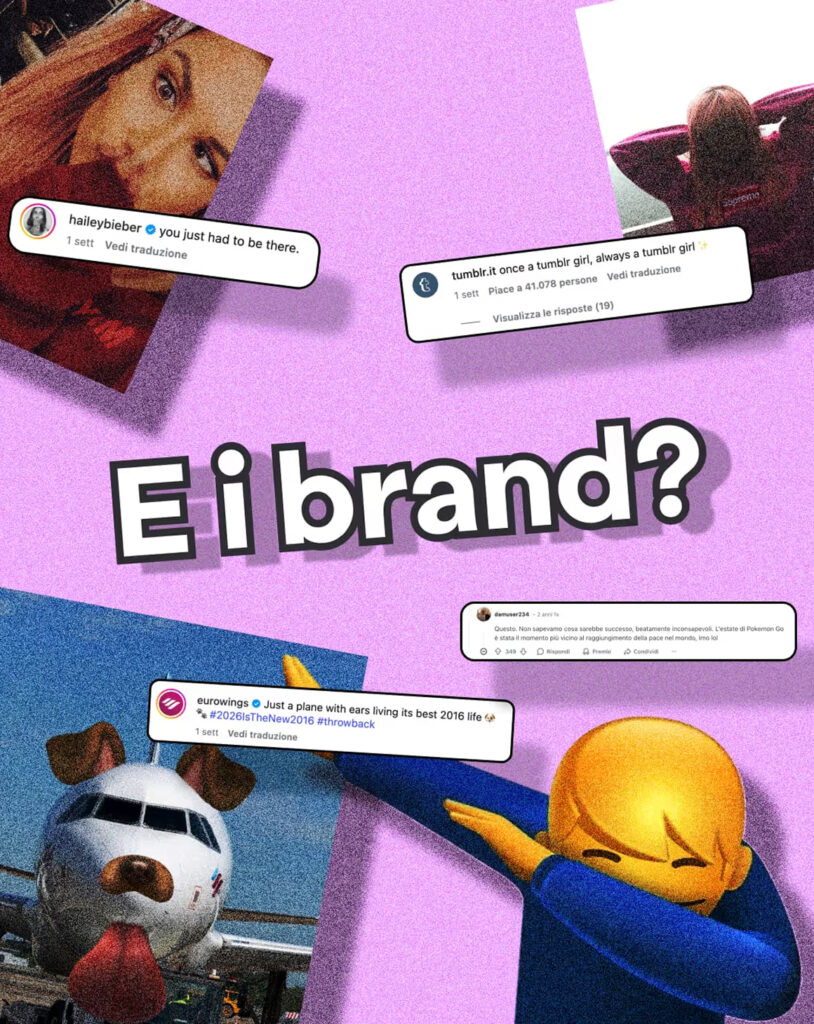
When we look back today at Pokémon GO, playful early face filters, Tumblr aesthetics, or gritty Instagram presets, we aren’t saying everything was better then. We’re recognizing that it was different. More spontaneous, less self-conscious, and far less obsessed with performance.
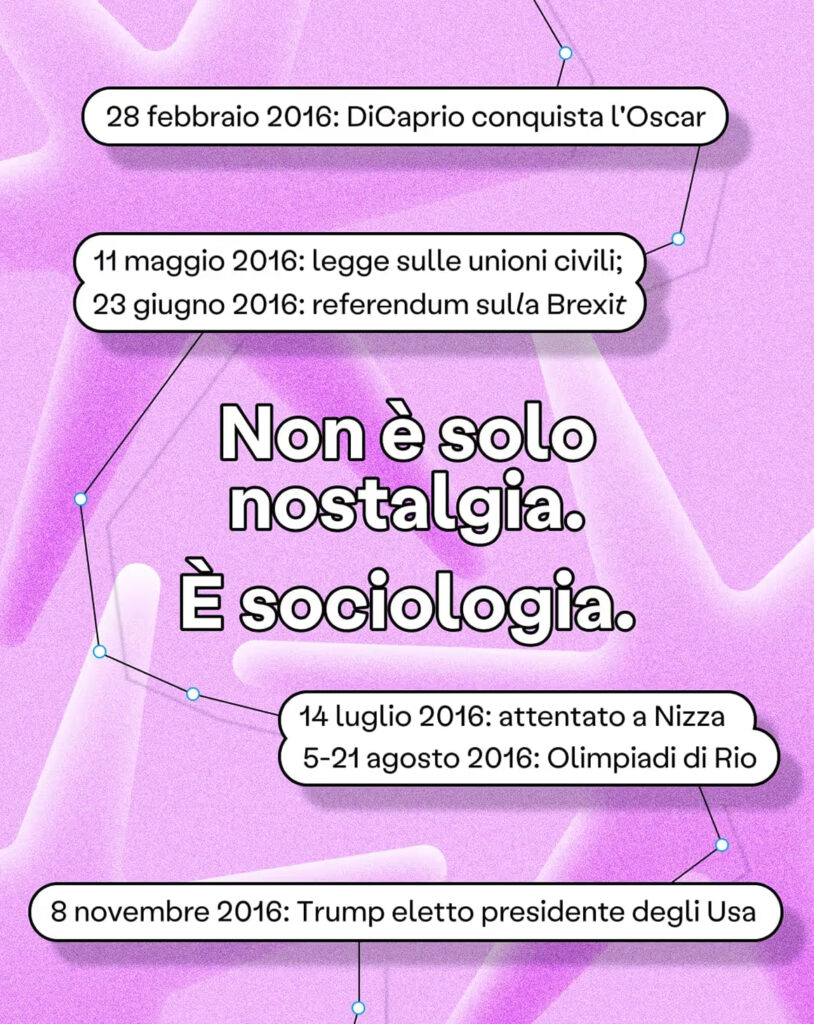
It’s not just nostalgia. It’s sociology.
We remember 2016 as a time when being online didn’t require a master plan. Content was created for fun, for belonging, for self-expression. Communities were smaller, but they felt more distinct. Today, in an environment dominated by relentless metrics, split testing, and continuous optimization, those memories serve as an emotional compass.
This revival is especially fascinating in the context of 2026. It comes at a moment when AI and automated production are redefining what it even means to “create.” Nostalgia doesn’t fight this shift; it balances it. Where technology accelerates, memory slows down. Where AI makes everything possible, nostalgia reminds us of what’s actually worth doing.
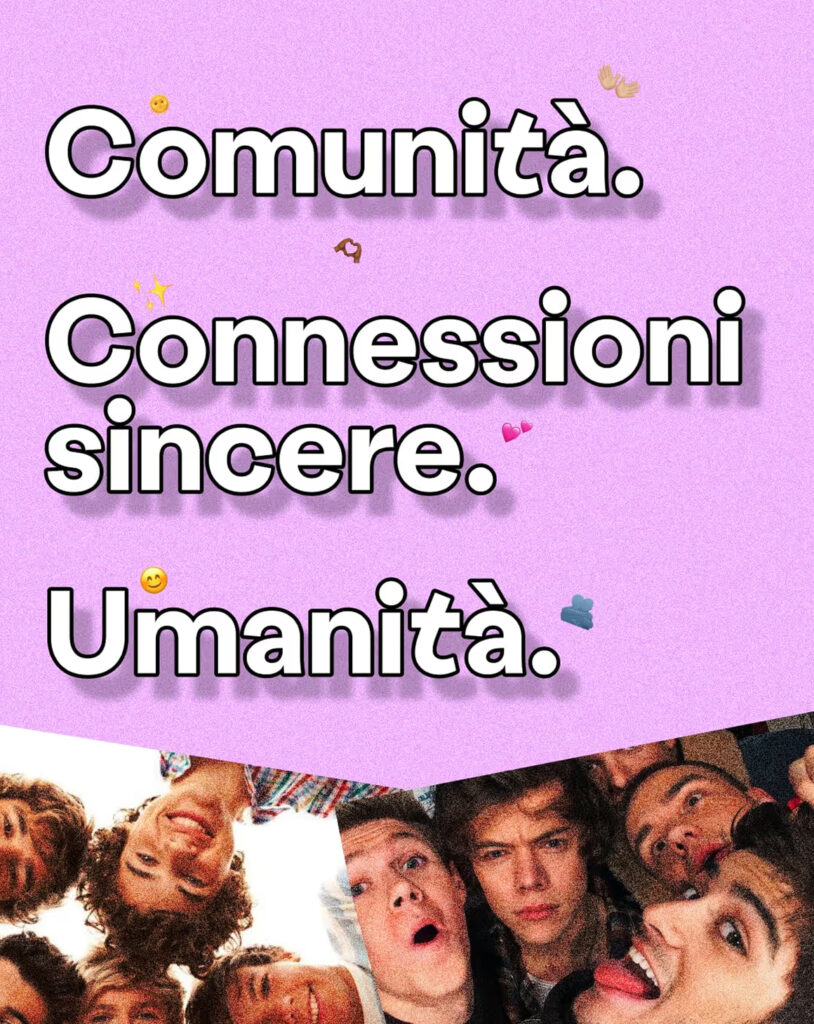
Community. Genuine Connections. Humanity.
This isn’t just a generational phase. Even those who didn’t experience 2016 firsthand are adopting its aesthetic codes. Not out of direct nostalgia, but because that era radiates something missing today: lightness, playfulness, and a comfort with imperfection. In today’s landscape, this aesthetic offers a breath of fresh air. It doesn’t idealize the past, it uses it to make the present feel more livable.
What About Brands?
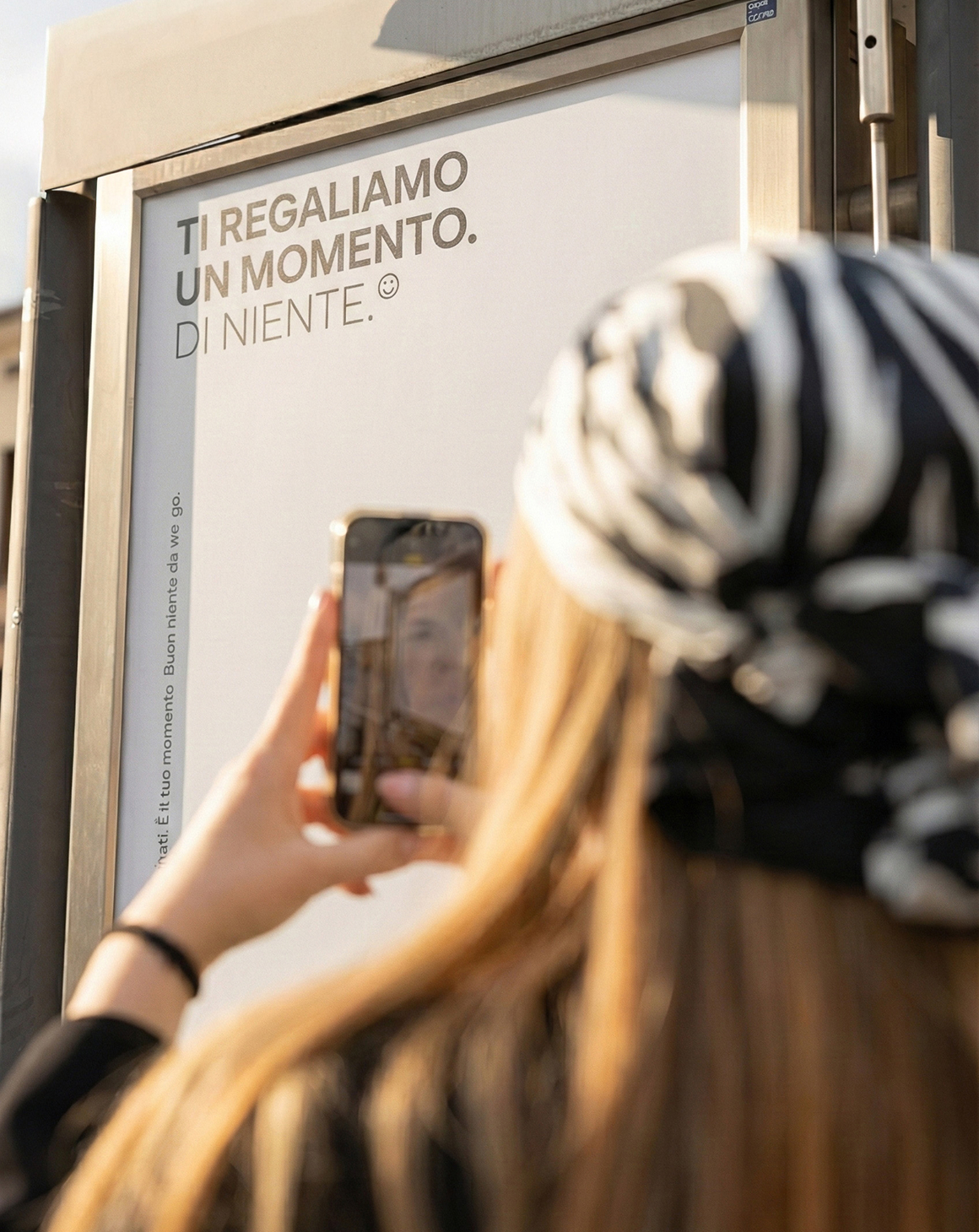
For brands, this moment represents a real opportunity, provided it’s approached with maturity. Nostalgia is a space built on relationship; it works when it opens conversations, invites participation, and allows people to tell their own stories. It fails when used as a lazy emotional shortcut to push sales.
Ultimately, looking back at 2016 from 2026 isn’t about regret, it’s about balance. It’s a collective desire to live in an advanced present without losing warmth and a sense of play. If this trend tells us anything, it’s that the future of content won’t just be smarter. It will, finally, be a little kinder.